Service tag
Flush date and rod type on the tank
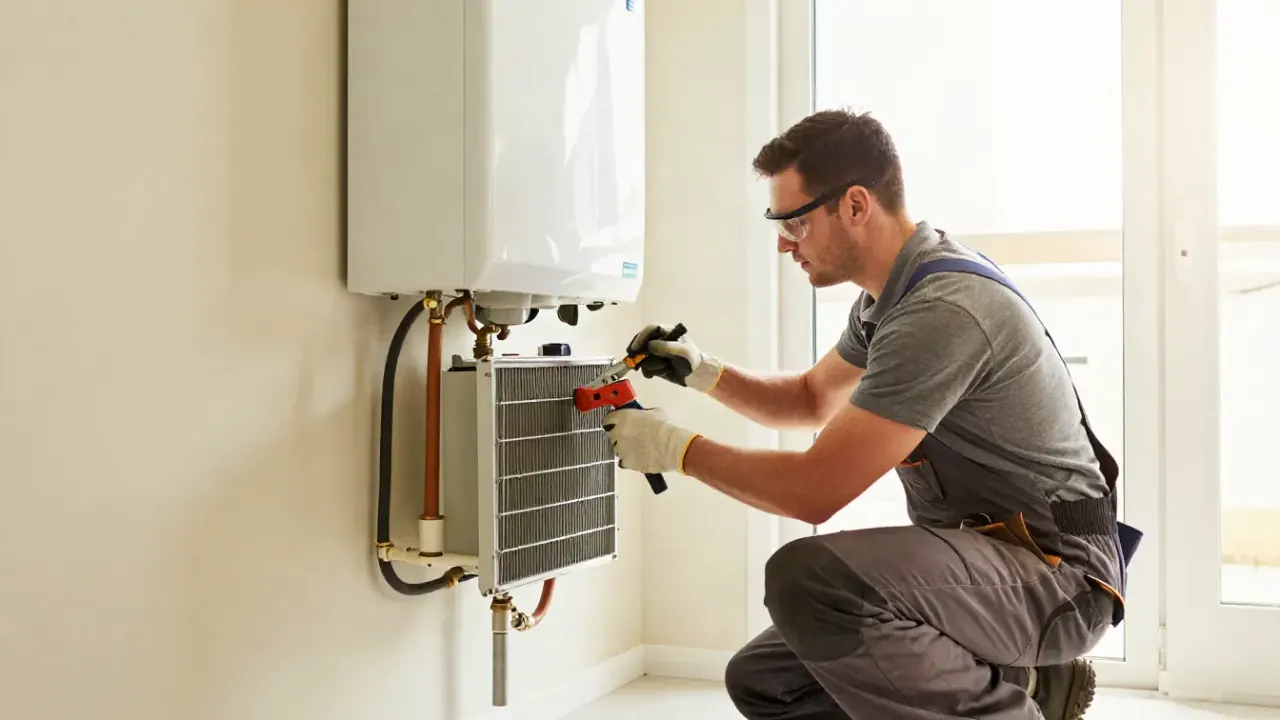
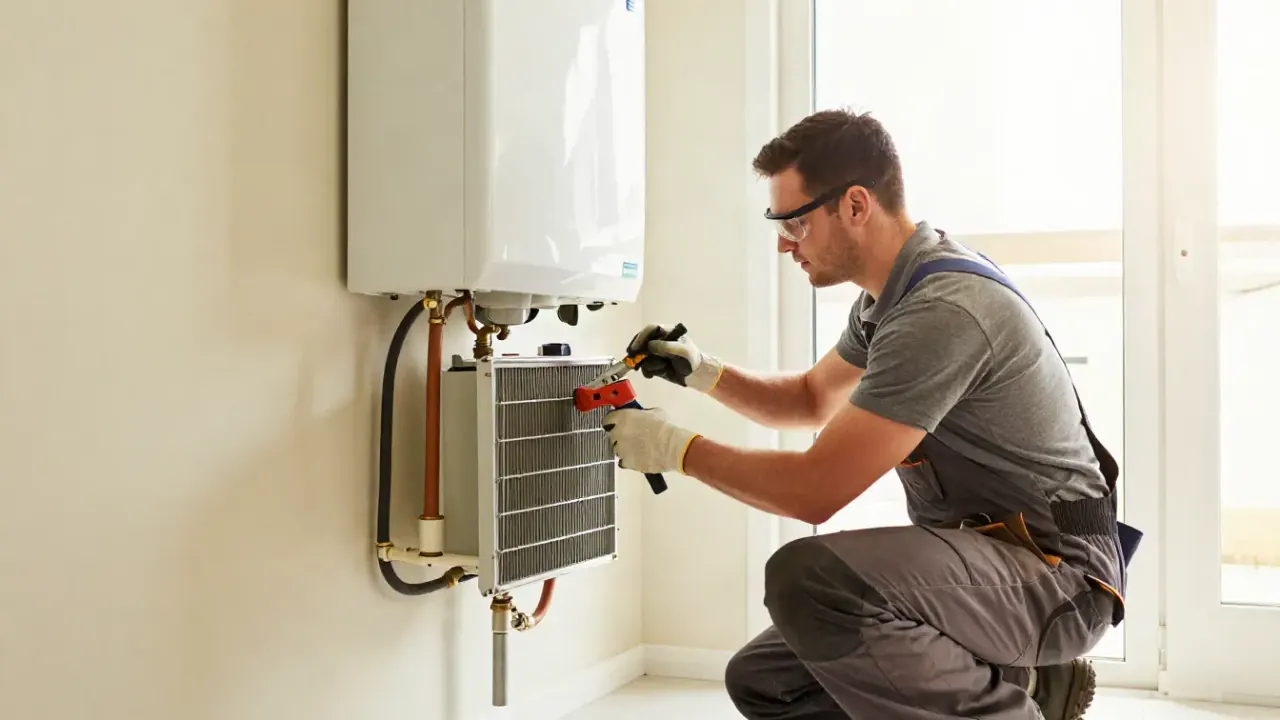
Water Heater Flush Aliso Viejo CA service that actually extends tank life. We drain the sediment, inspect the anode rod, and replace it before corrosion wins. If your water heater rumbles, runs out of hot water, or has never been serviced, we handle it same-day across Aliso Viejo and Orange County. One visit, honest pricing, and a tank that runs quieter and longer.
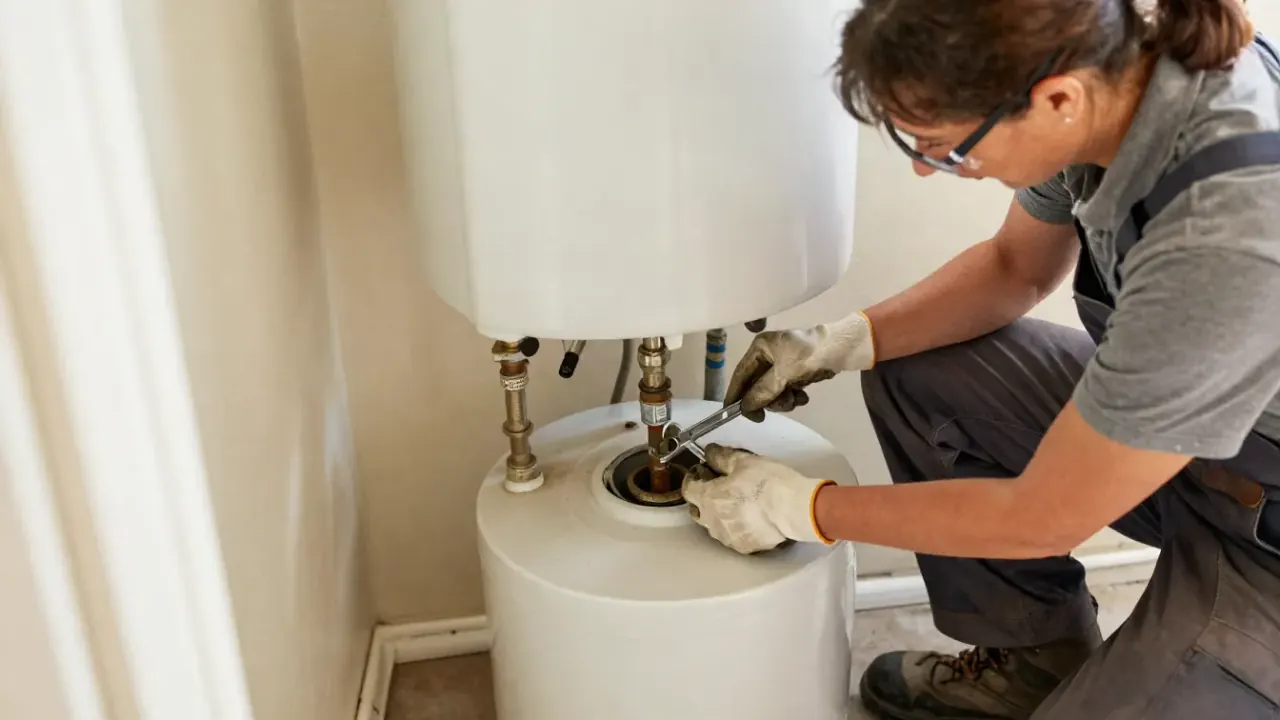
Every flush includes the core work: full drain, sediment agitation, anode rod inspection and replacement, T&P valve test, and a written tag on the tank. Add-ons like heating element replacement or dip tube work are quoted separately if we find a problem while the tank is open.
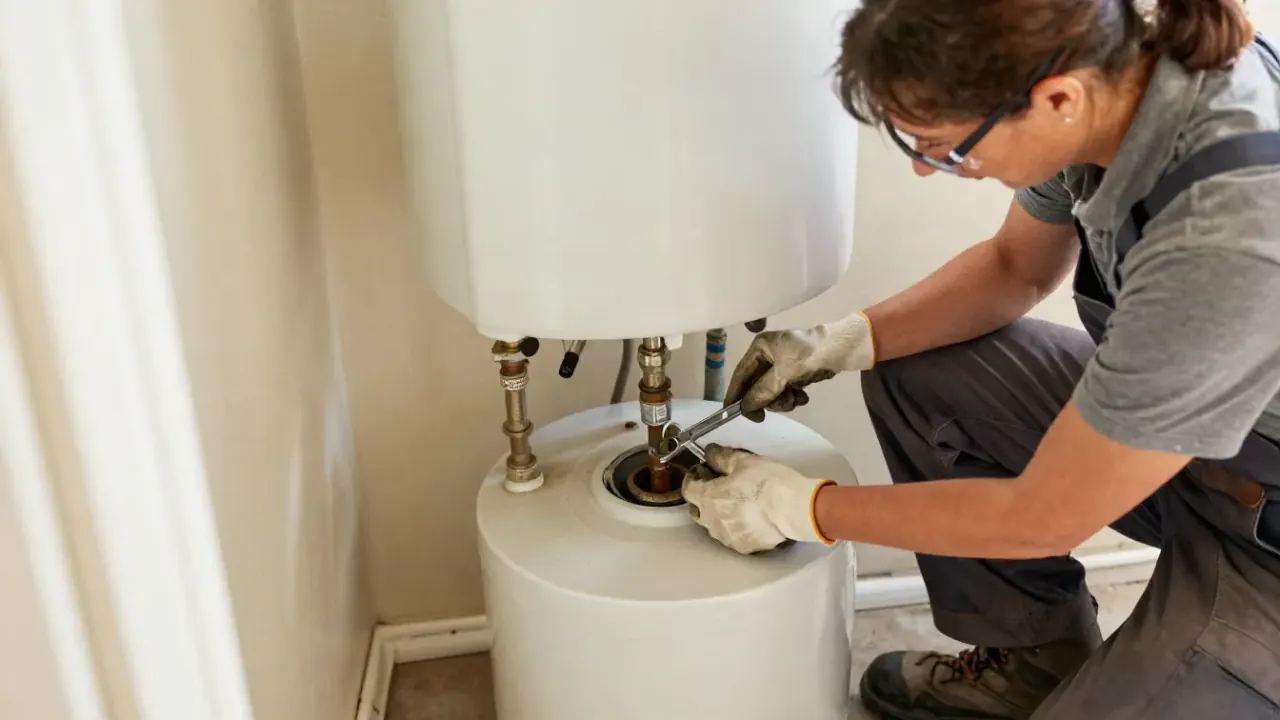
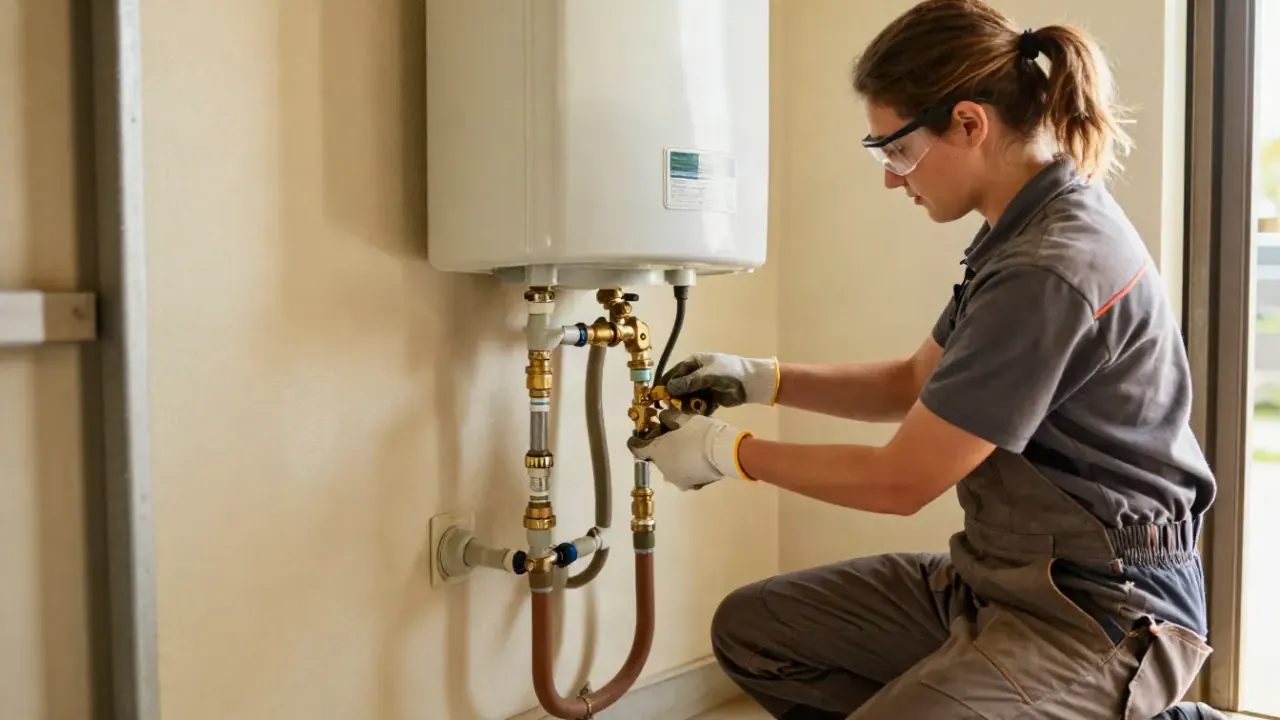
We flush the sediment out of your tank and replace the anode rod before it fails. You get hot water back, a quieter tank, and a service tag showing exactly what was done.
We service tanks across rental units, small offices, and multi-family properties on a scheduled rotation. Each tank gets tagged and logged so you know which units are due next.
A water heater flush is not just opening a drain valve. We shut off the gas or power, connect a hose, and run the tank down under full pressure to blast out the calcium and magnesium sediment that settles on the bottom. That layer insulates the burner from the water, so the tank works harder and costs more to run. While the tank is drained, we pull the anode rod with an anode rod socket and check how much sacrificial metal is left. If it is chewed down to the core wire, we install a new one.
Aliso Viejo sits on hard water pulled from Orange County aquifers and imported supplies, so sediment builds faster than most homeowners expect. Tanks here often hit a half-inch of scale by year four. That is why we recommend a full water heater flush and anode rod service Aliso Viejo CA every 12 months, and why so many residents search for affordable water heater flush and anode rod Aliso Viejo CA once the rumbling starts. Catching it early is the difference between a $200 service and a $1,800 replacement.
Drain the scale, replace the rod, protect the tank.
Every job follows the same five steps, whether it is a 40-gallon Rheem in Glenwood or a Bradford White in Pacific Ridge. Here is exactly what happens from the moment we arrive.
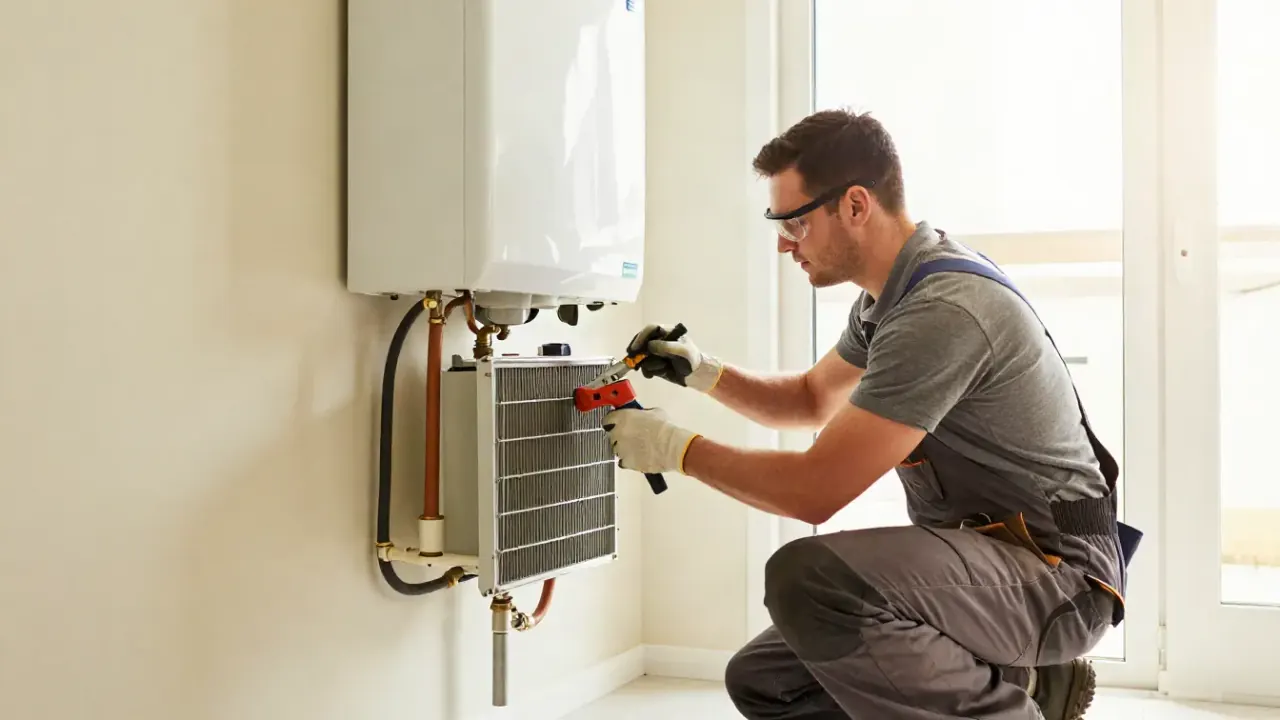
We kill the gas or flip the breaker, then test the T&P valve with a T&P valve tester and check the thermocouple and gas control valve. Five minutes of inspection tells us whether the tank is a good flush candidate or whether you are looking at a replacement. You get the answer before we touch the drain.
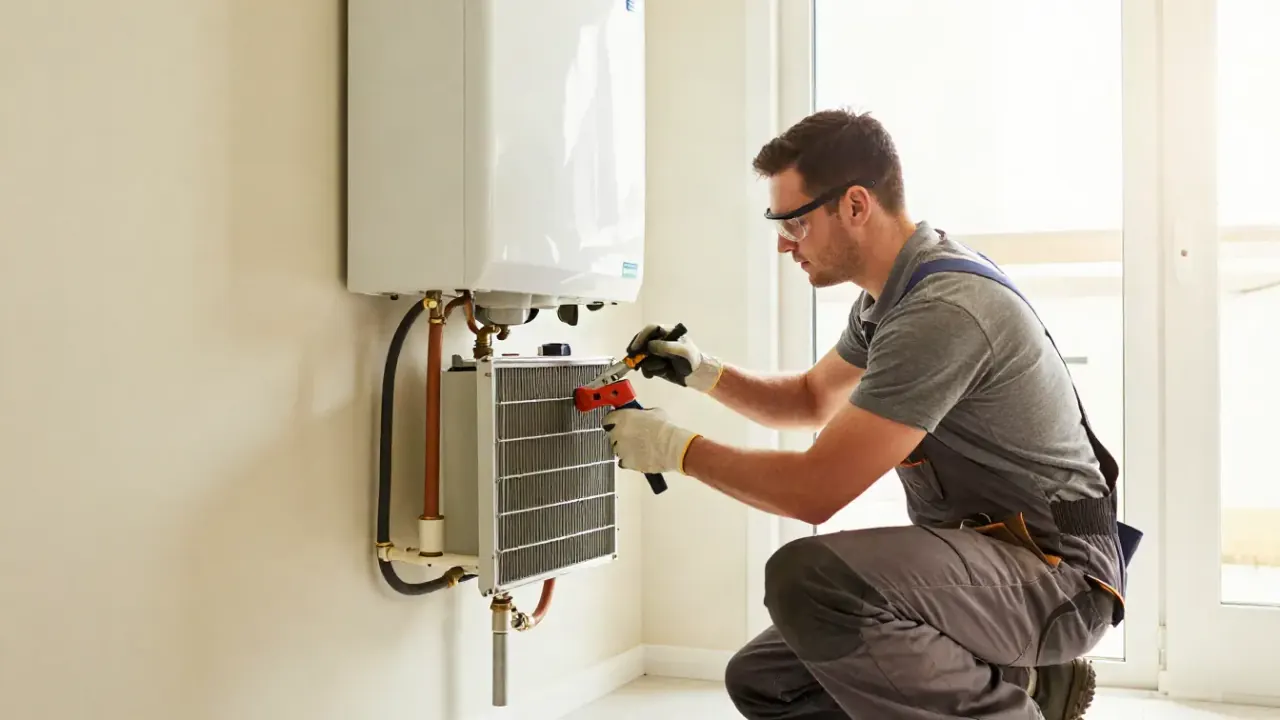
We connect a rated hose to the drain valve and run the tank down. Then we open the cold inlet with the burner off and let fresh water agitate the bottom until the discharge runs clear. On hard-water tanks we repeat the cycle two or three times. Expect 45 to 75 minutes for this step alone.
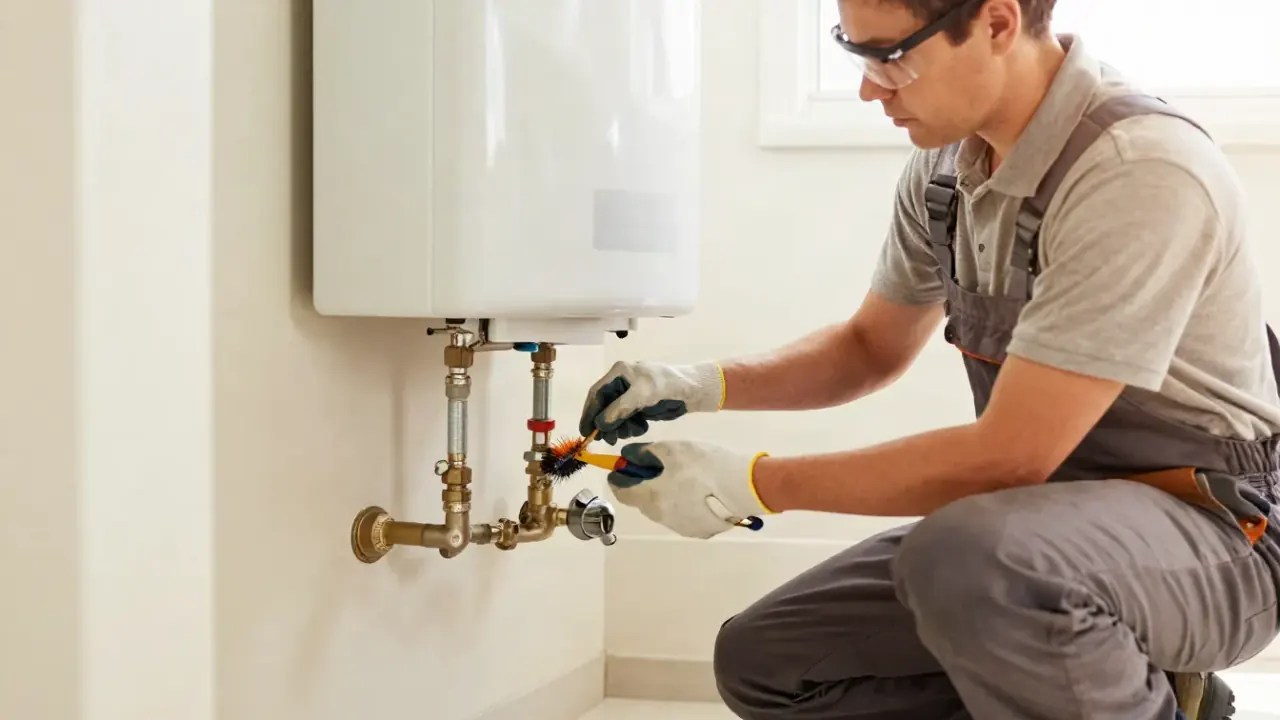
Using an anode rod socket and a pipe wrench, we break the rod loose and lift it out. We measure what is left against the original diameter. Under 50 percent remaining means it is done. We show you the rod so you can see the corrosion for yourself.
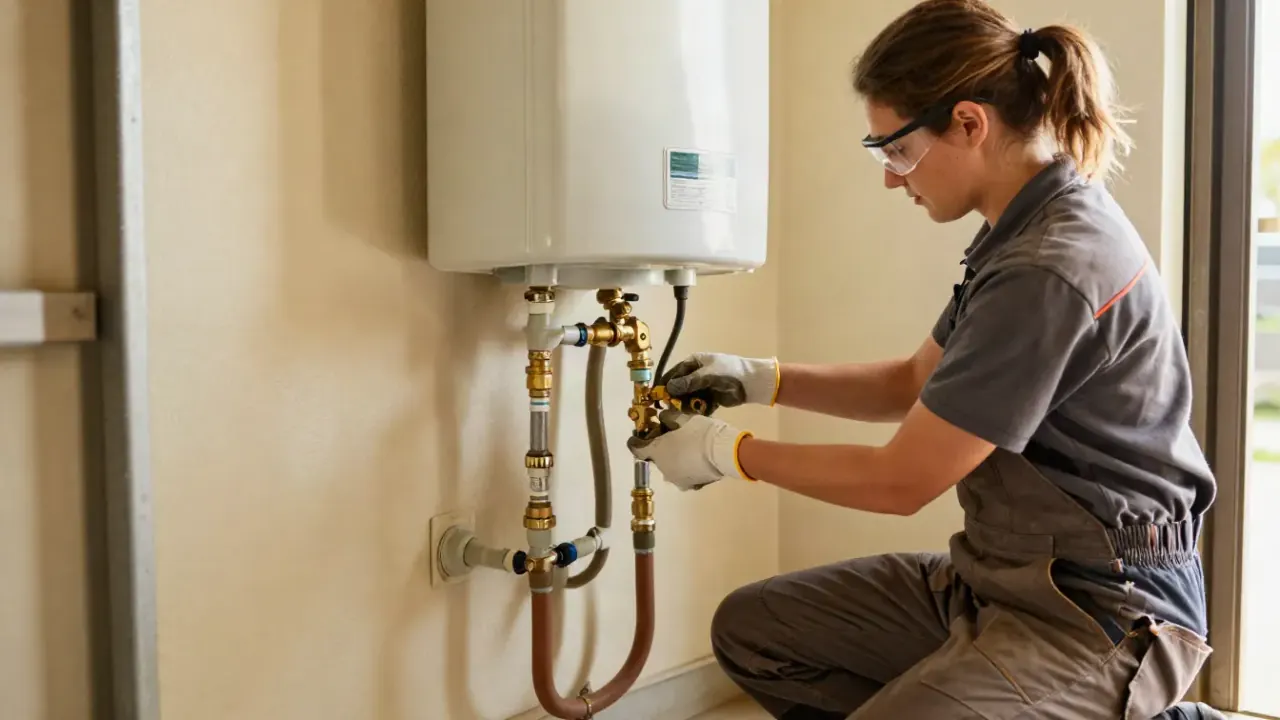
We install a fresh magnesium or aluminum anode rod, wrap the threads with the correct sealant, and torque it to spec. If the dip tube is brittle or the heating element shows scale, we note it and quote it. Most anode rod replacement in water heater Aliso Viejo jobs add 20 minutes.
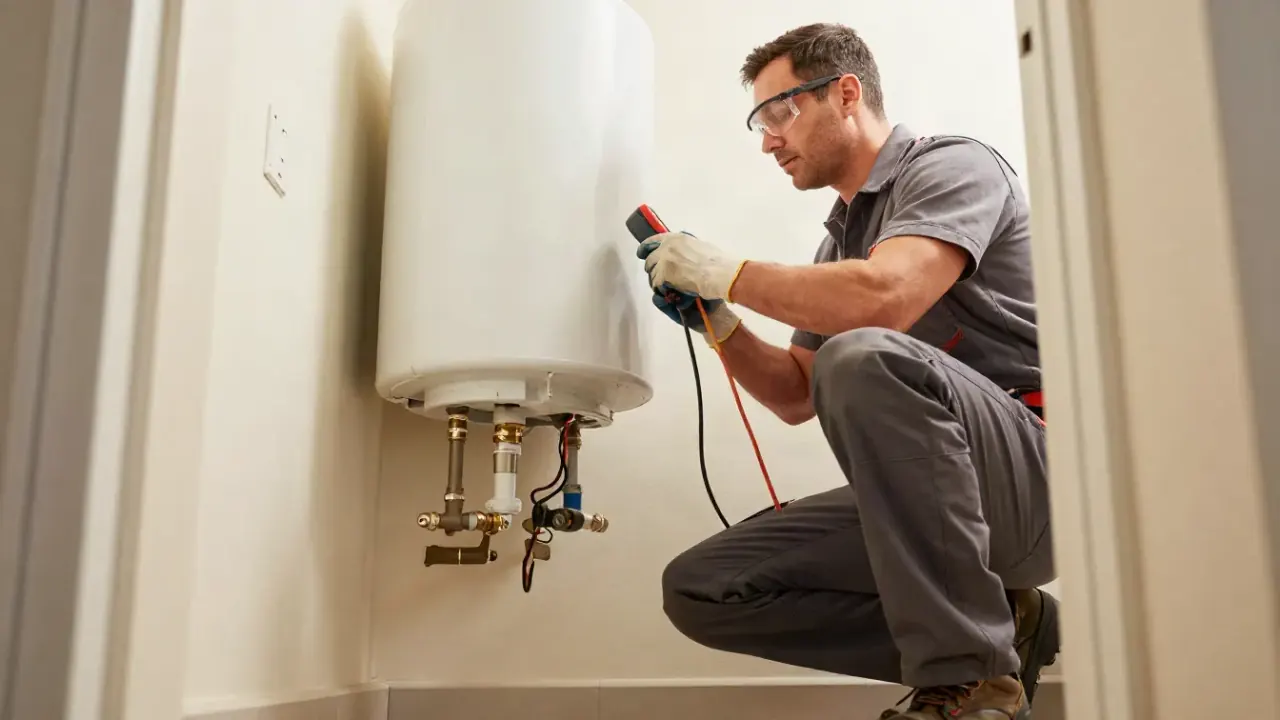
We refill the tank completely before restoring power or gas, then run a multimeter on electric units to confirm the element and thermostat are drawing correctly. We light the pilot, check for leaks at every fitting, and log the flush date on a tag on the tank so the next service is easy to schedule.
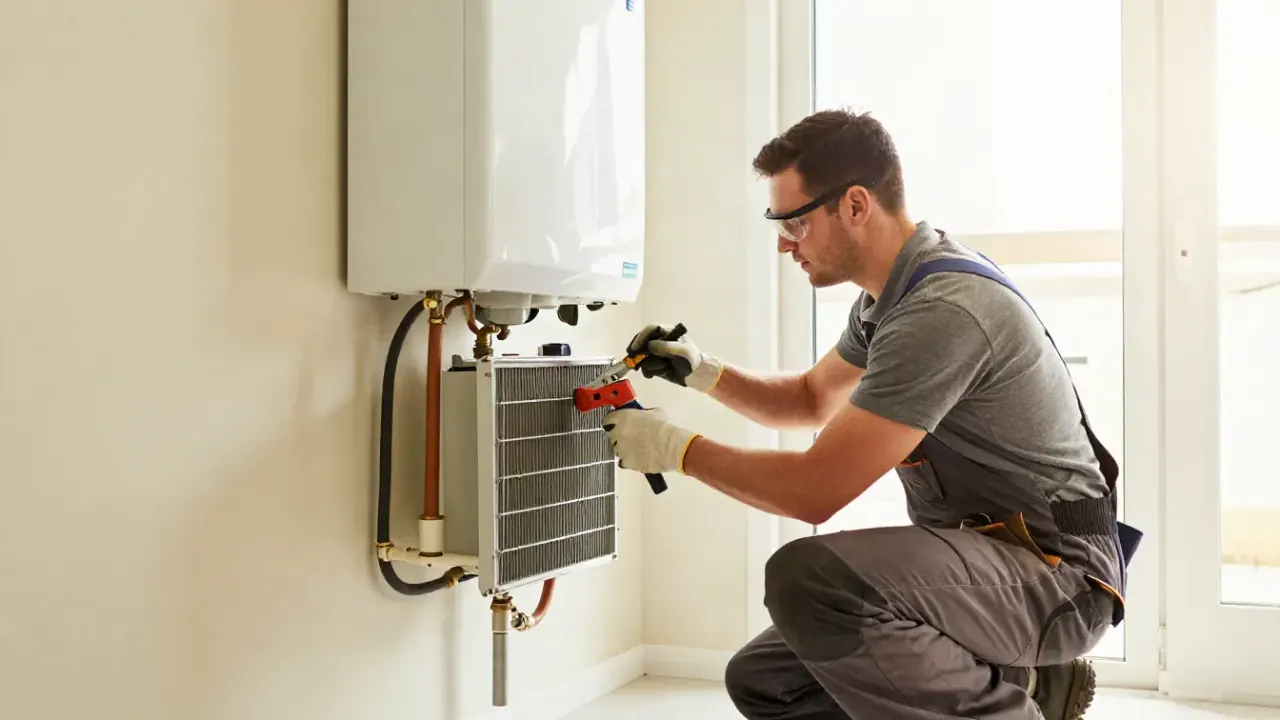
A deep six-point socket sized for 1-1/16 inch and 1-1/8 inch anode hex heads. It lets us break loose rods that have been seated for years without rounding the head.
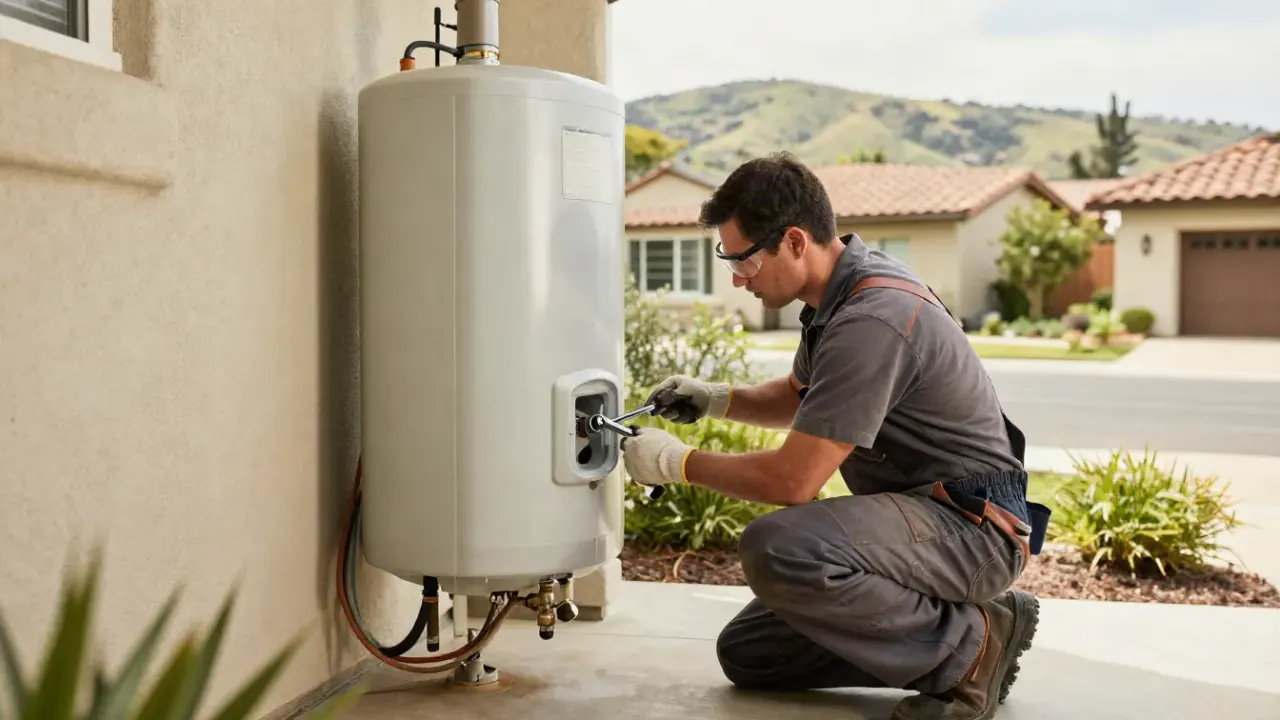
A lever-and-gauge tool that exercises the temperature and pressure relief valve under load. We use it on every flush to confirm the valve opens and reseats properly.
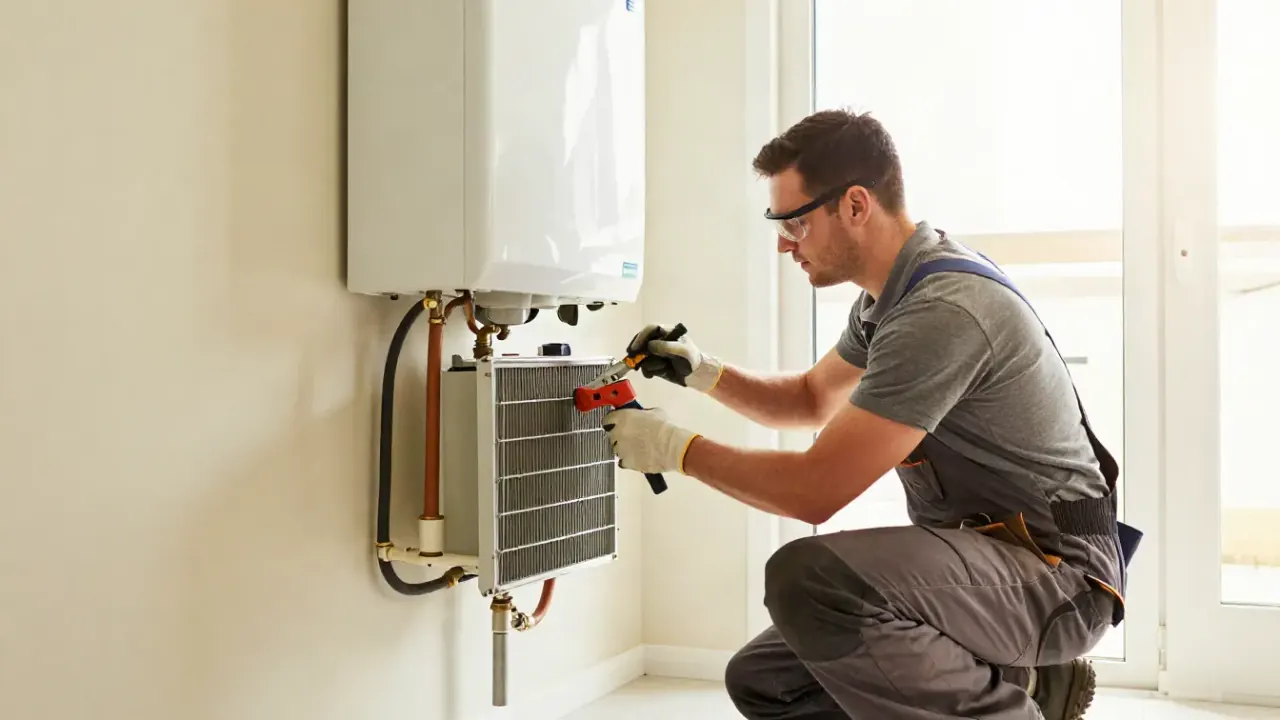
A rated discharge hose plus a small sump pump for tanks in garages or closets where gravity drainage is slow. It moves water fast and keeps the area dry.
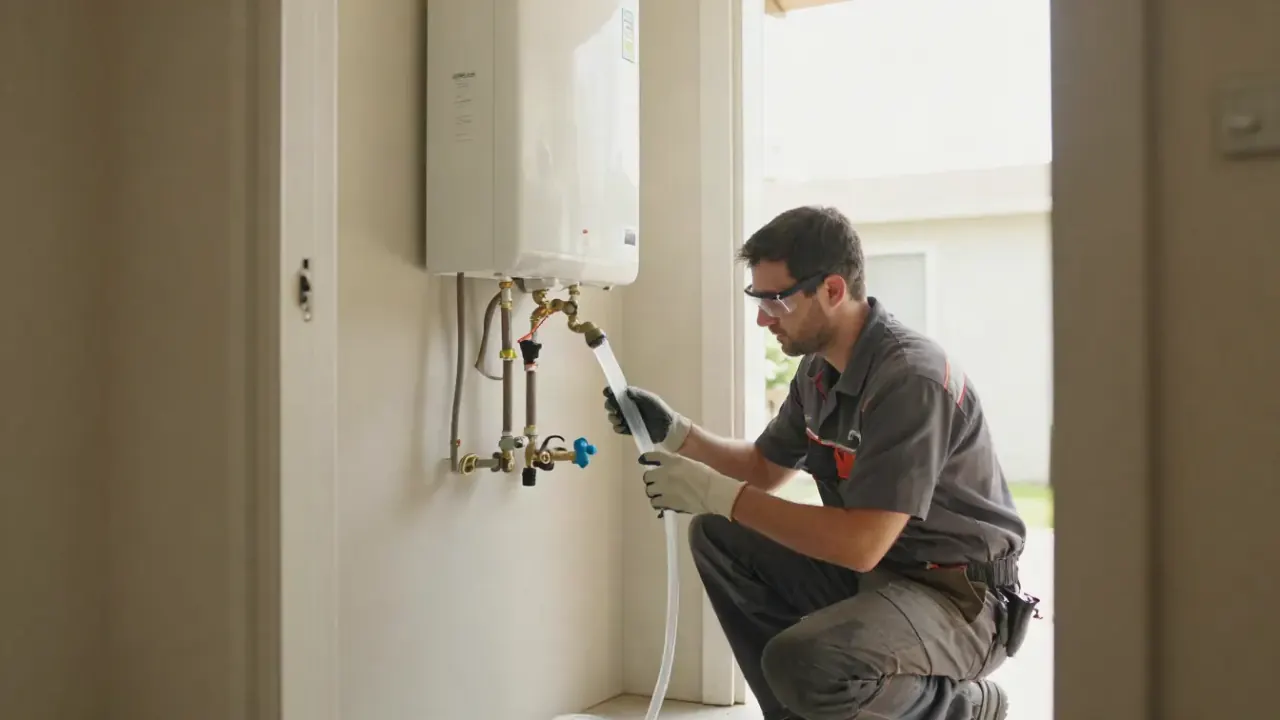
Used on electric tanks to test the heating element and thermostat for continuity and correct resistance. It confirms the element is drawing properly before we button up.
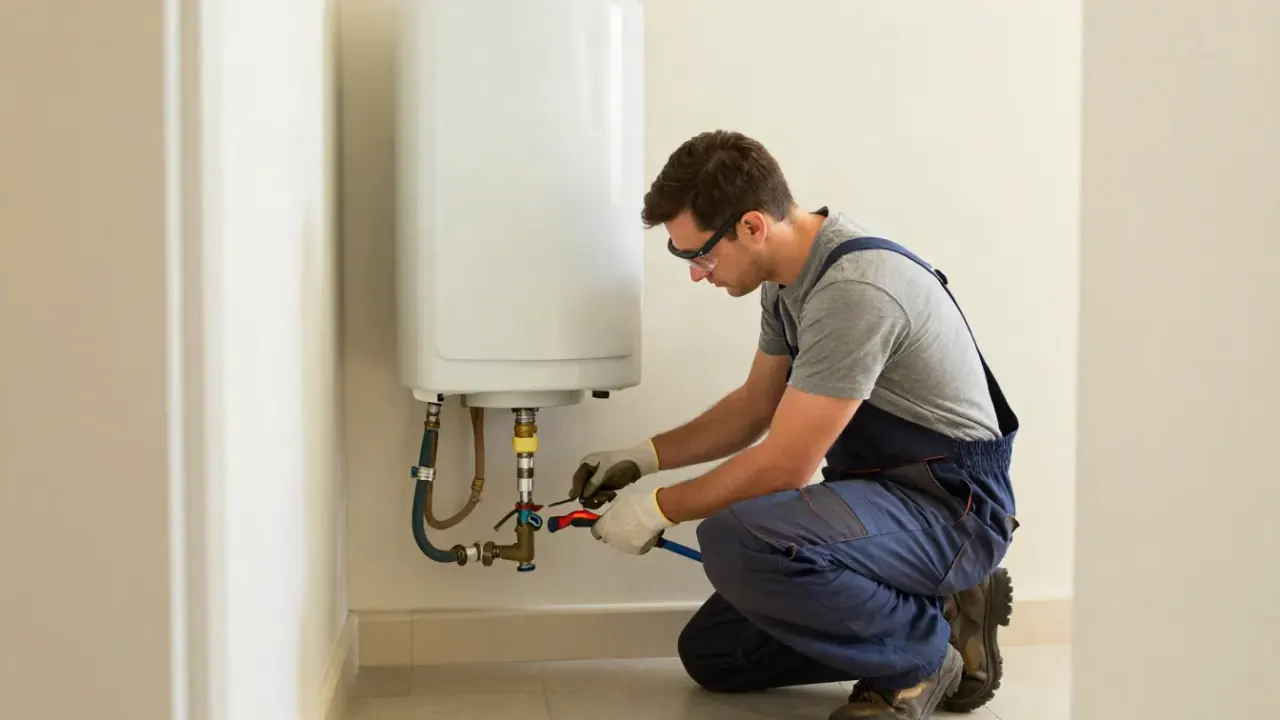
For freeing stubborn anode rods and replacing brittle dip tubes or corroded nipples we find during the flush. Standard kit on every truck.
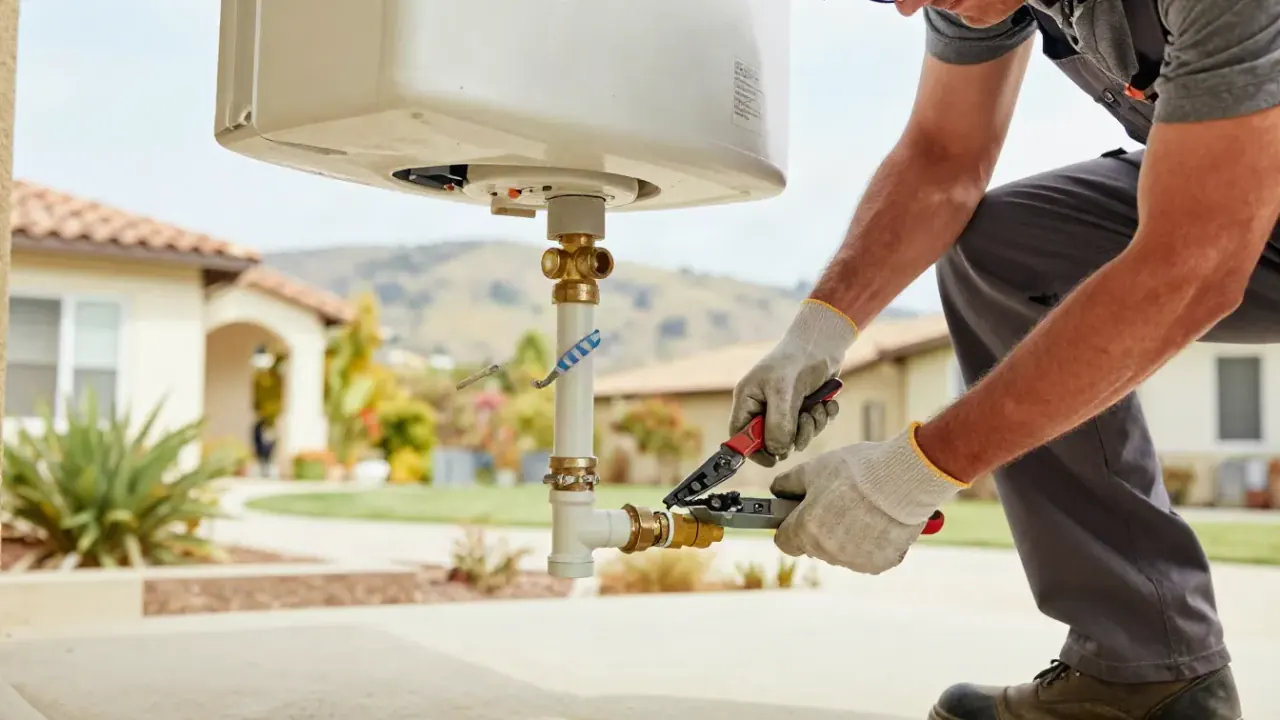
A thin-profile wrench for pulling electric heating elements without damaging the tank flange. We inspect the element for scale while the tank is drained.
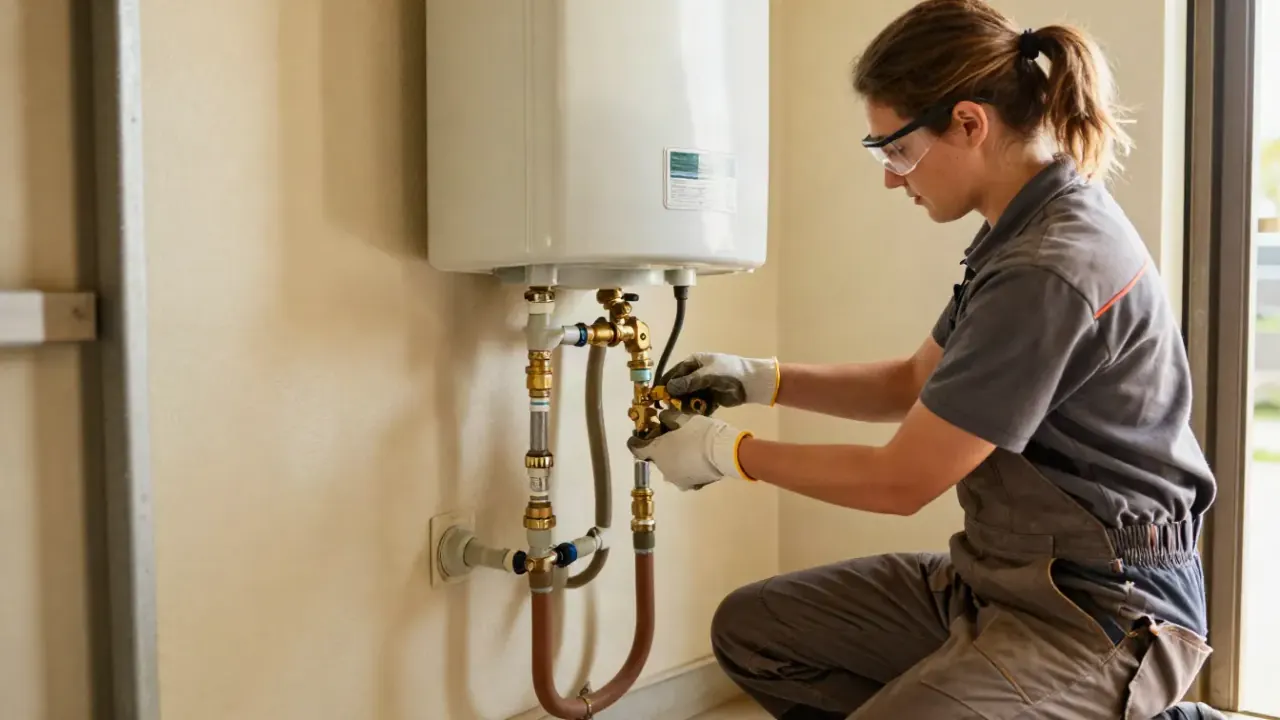
Instead of a single drain, we refill and agitate two to three times on hard-water tanks. Each cycle lifts more scale off the bottom. It takes longer, but the discharge runs clear instead of gritty, which is how you know the job is done.
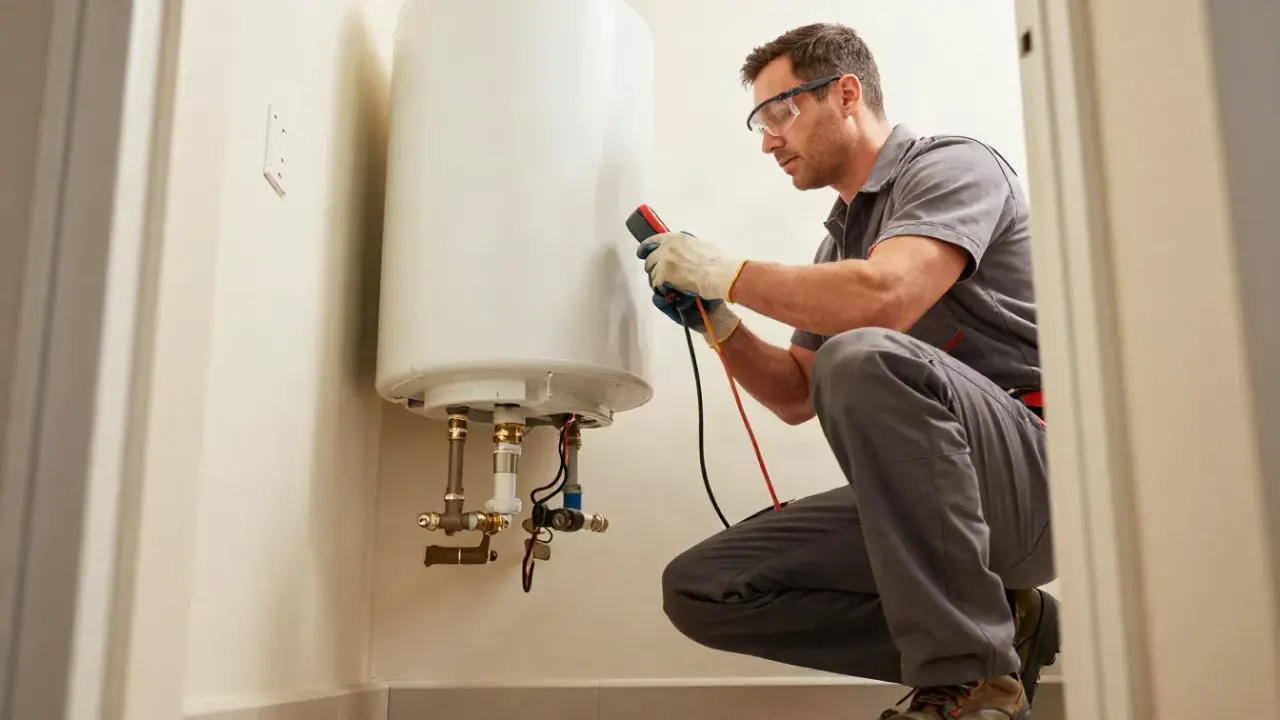
We measure the rod diameter against the original spec rather than eyeballing it. Under 50 percent remaining means replace. This takes the guesswork out and gives you a real number to plan around.
This is the sweet spot. We flush the sediment before it hardens into a crust, pull the original anode rod, and replace it if it is under half. The tank gets a clean slate and you start an annual schedule. You add three to five years to the tank's life and avoid the mid-life failure that catches most homeowners off guard.
We run a full multi-cycle flush to break up the scale layer, then test the burner and T&P valve. If the sediment is deep, we tell you how much came out so you know how bad it was. The noise stops, recovery time drops, and your monthly gas or electric bill reflects the improved heat transfer.
We inspect the tank, pull the anode rod, and flush it as part of the pre-sale walkthrough. You get a written report on the tank's condition and remaining life, which is useful at the negotiating table. No surprises at closing. The buyer knows the tank condition, and the seller can show maintenance records.
Most manufacturers require annual maintenance to honor the full warranty term. We flush, replace the anode rod, and tag the tank with the date, giving you a service record if a claim is ever needed. Your warranty stays intact and you have documentation to back up a claim if the tank fails early.
Aliso Viejo water is hard, and that shapes everything about how we service tanks here. Most homes sit on imported Orange County supply with high calcium and magnesium, so sediment builds faster than in coastal Laguna Beach or softer-water zones inland. We plan on two to three agitation cycles for a typical 50-gallon tank in Glenwood or Westridge, and we stock magnesium anode rods because they sacrifice faster and protect better in hard water. Building stock matters too. Most Aliso Viejo homes were built between the late 1980s and 2000s, so we see a lot of original-era Rheem, A.O. Smith, and Bradford White tanks in garages and closets with tight clearances. That is where a sump pump and a long discharge hose earn their keep. If you are in a Canyon View Estates townhome with the tank in a second-floor closet, we run the hose to a safe drain before we open the valve. For homeowners asking how often to flush water heater in Aliso Viejo CA, the honest answer is every 12 months on hard water, and every 18 months if you run a softener. We also serve Laguna Niguel, Laguna Hills, Lake Forest, Mission Viejo, and Laguna Beach, and the same hard-water rule applies across most of that route.
A 2016 Rheem in a Glenwood garage was popping loud enough to hear inside the house. Recovery time had stretched to over an hour, and the homeowner was pricing replacements because the tank was only eight years old.
We pulled nearly half an inch of scale, installed a new magnesium anode rod, and tested the T&P valve. Recovery time dropped to about 35 minutes, and the popping stopped the same day. The tank is still running strong two years later.
Annual flush with a fresh anode rod check keeps the sediment from rebuilding. We tagged the tank with the service date so the next visit is easy to schedule.
A family of five in Westridge was getting about five minutes of hot water per shower. The tank was a 50-gallon A.O. Smith, six years old, never serviced. They assumed the tank was undersized for the household.
A full multi-cycle flush restored usable capacity, and the heating element checked out clean. Hot water time went from five minutes to over 20. No replacement needed, and the gas bill dropped by roughly 18 percent the next month.
We set them on a 12-month flush schedule and checked the anode rod, which still had about 60 percent left. Next service will re-measure and replace if needed.
A Canyon View Estates homeowner noticed rusty hot water and a faint metallic taste. The tank was nine years old, and the anode rod had never been pulled. A previous plumber had quoted a full replacement sight unseen.
We pulled the rod and found it down to the core wire. The tank shell was still sound, so we installed a new aluminum rod and flushed the tank. Rusty water cleared within a day, and the replacement was avoided.
Because the rod was fully spent, we moved this tank to a 12-month inspection schedule. Catching the next rod at 50 percent keeps the shell protected.
Most tank failures start small and give you months of warning. These are the four problems we see most often in Aliso Viejo, and how we stop them before they turn into a replacement.
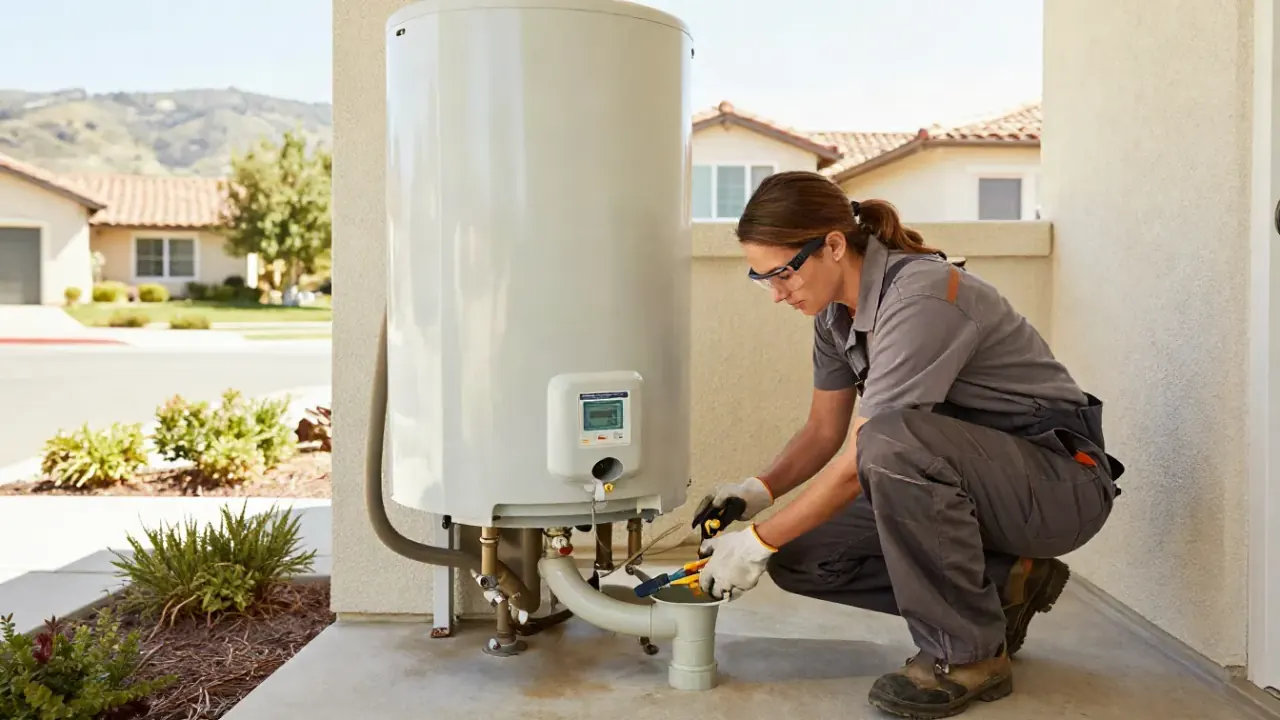
We drain the tank fully and run multiple agitation cycles until the bottom is clean. The popping stops the same day. We also test the T&P valve while the tank is open, replacing it if it is sticking. Trapped steam under sediment stresses the tank lining and the T&P valve. Ignore it long enough and you get a leak or a relief valve that discharges constantly.
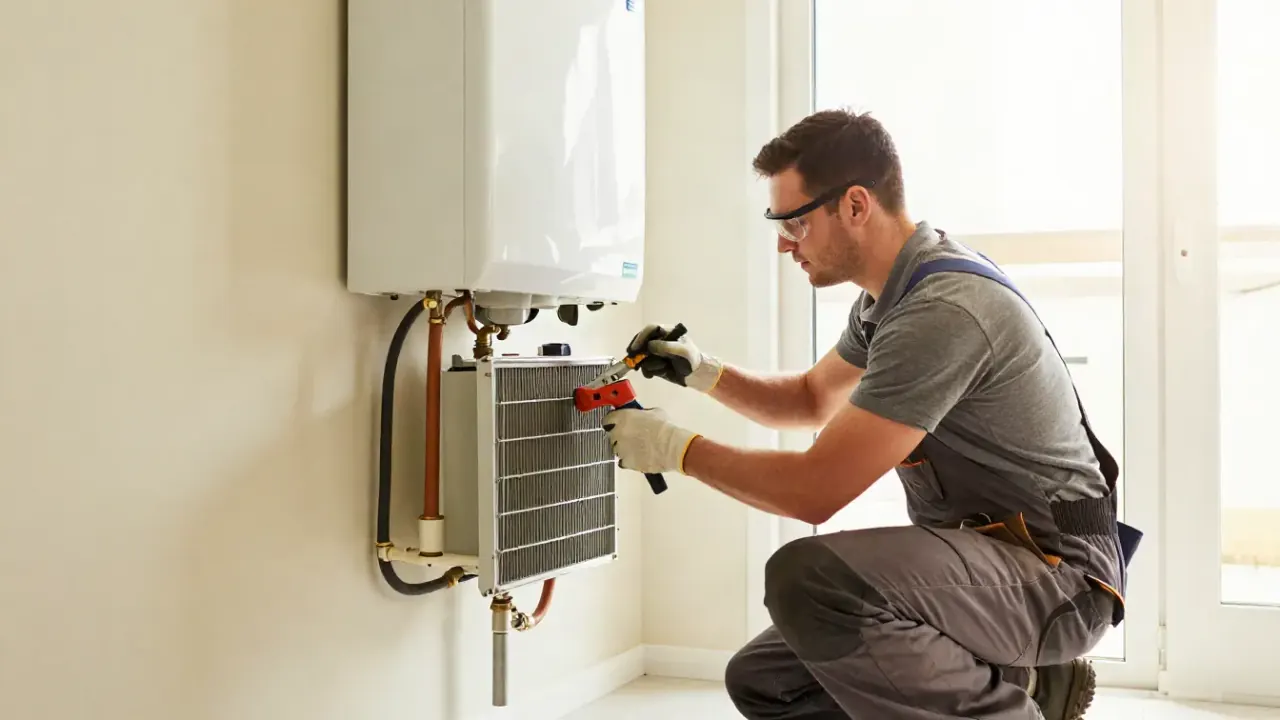
A full flush restores capacity and heat transfer. We measure recovery time before and after so you can see the difference. Most homes get 15 to 25 percent faster recovery after the service. Sediment takes up volume and insulates the burner, so a 50-gallon tank acts like a 35. Showers go cold, and you start blaming the tank when the real issue is scale.
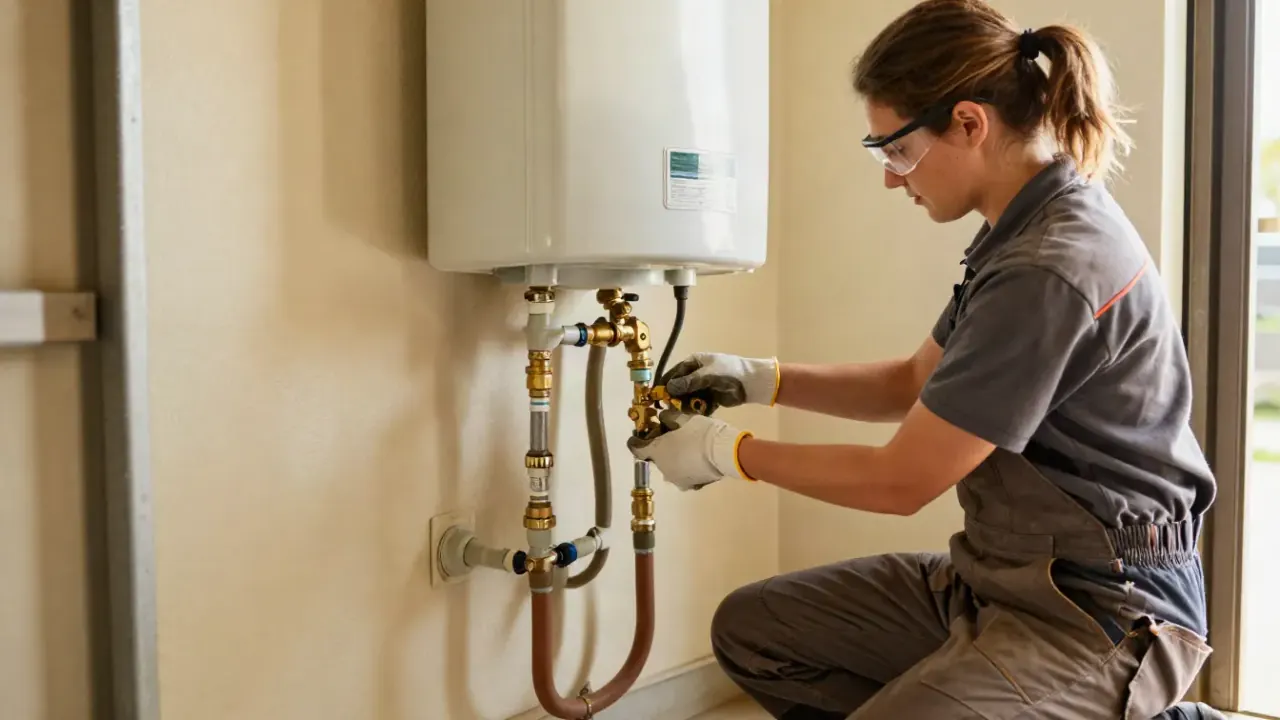
We pull the rod, show you the corrosion, and install a fresh one. If the tank shell is already compromised, we tell you straight and quote a replacement instead of taking your money for a flush that will not hold. Once the anode rod is spent, the steel tank starts corroding. Rusty water is the first sign, and pinhole leaks usually follow within a year.
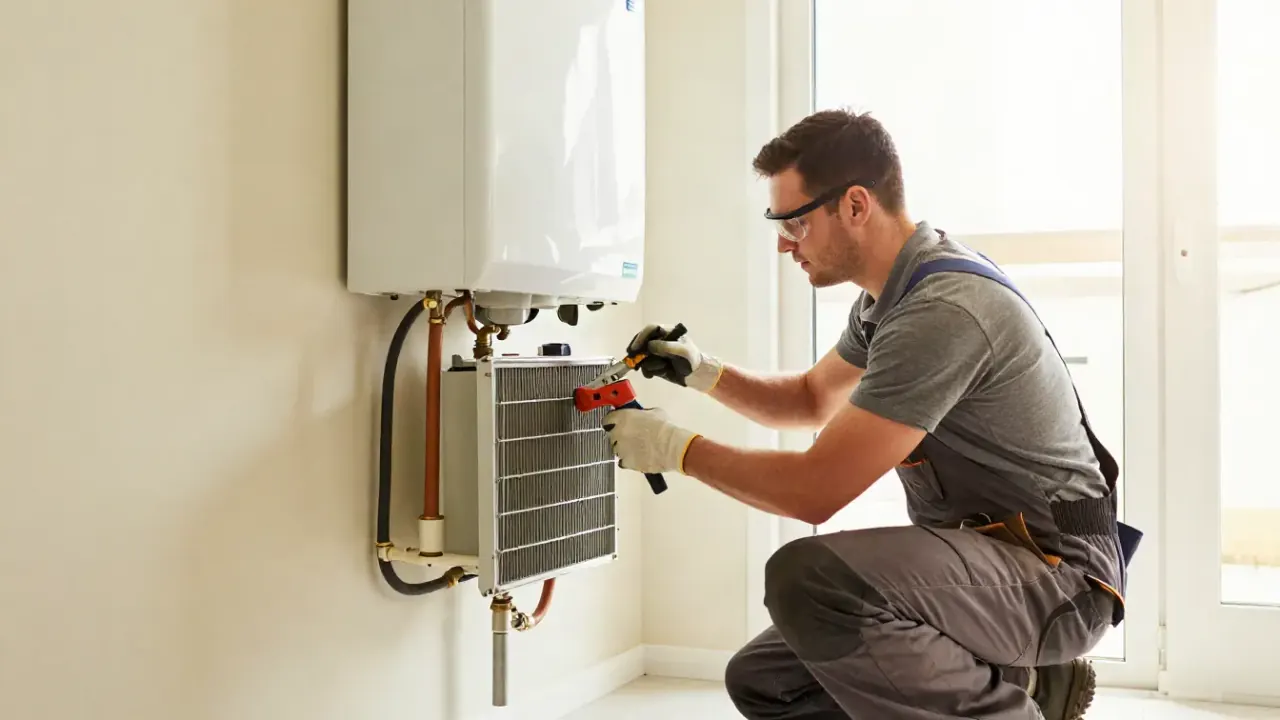
During the flush we test the thermocouple and gas control valve. If either is failing, we replace it while the tank is drained. One visit handles the flush and the pilot problem together. A weak thermocouple or a sediment-clogged burner assembly causes repeated pilot failures. Each relight is a temporary fix, and you are one cold morning away from no hot water.
A quarter-inch of scale forces the burner to run longer to reach the same temperature. After we flush the tank and restore clean heat transfer, most homes see recovery times drop by 15 to 25 percent. That shows up on your bill every month, not just once.
When sediment piles up, your usable hot water shrinks. A 50-gallon tank can start acting like a 35-gallon tank. Flushing restores full capacity, so morning showers stop going cold halfway through and the dishwasher gets its share.
The anode rod is the only part of your tank designed to corrode so the steel shell does not. Once it is spent, rust starts eating the tank from the inside. Replacing it during the flush is the cheapest insurance you can buy against a leaking tank.
That popping and rumbling is steam trapped under sediment. Flushing silences it and takes pressure off the T&P relief valve, the heating element, and the gas control valve. Fewer stressed parts means fewer emergency calls.
Typical 2026 pricing in Aliso Viejo runs $150 to $280 for a standard flush, and $250 to $450 when anode rod replacement is included. Tank size, sediment depth, and access all move the number. A 40-gallon tank in an open garage is the low end. A 75-gallon unit in a tight closet with heavy scale is the high end. We quote before we start, and if the tank turns out to be past saving, we credit the diagnostic toward a replacement quote. No surprise line items on the invoice.
What your estimate is based on
$150 - $450 depending on tank size, sediment depth, and whether an anode rod is replaced A $250 flush and anode rod service is the cheapest way to add years to a tank that would otherwise cost $1,200 to $2,000 to replace. It also cuts monthly gas or electric use by improving heat transfer. The math favors servicing over replacing every time.
Clear records you can keep and share.
Flush date and rod type on the tank
You see the corrosion before we replace
Sediment volume and parts replaced
A quick drain is not a flush, and a tank that still heats water is not necessarily healthy. The anode rod is the part that decides how long your tank lasts.
Opening the valve and letting water run out leaves the hardened scale on the bottom. You need agitation cycles to break it loose. That is why a proper flush takes an hour, not ten minutes.
The anode rod corrodes so your steel tank does not. Once it is spent, rust starts on the shell. Most tank failures trace back to a rod that was never replaced.
Aliso Viejo water carries high calcium and magnesium. Sediment builds faster here than in softer-water areas, so annual service matters more, not less.
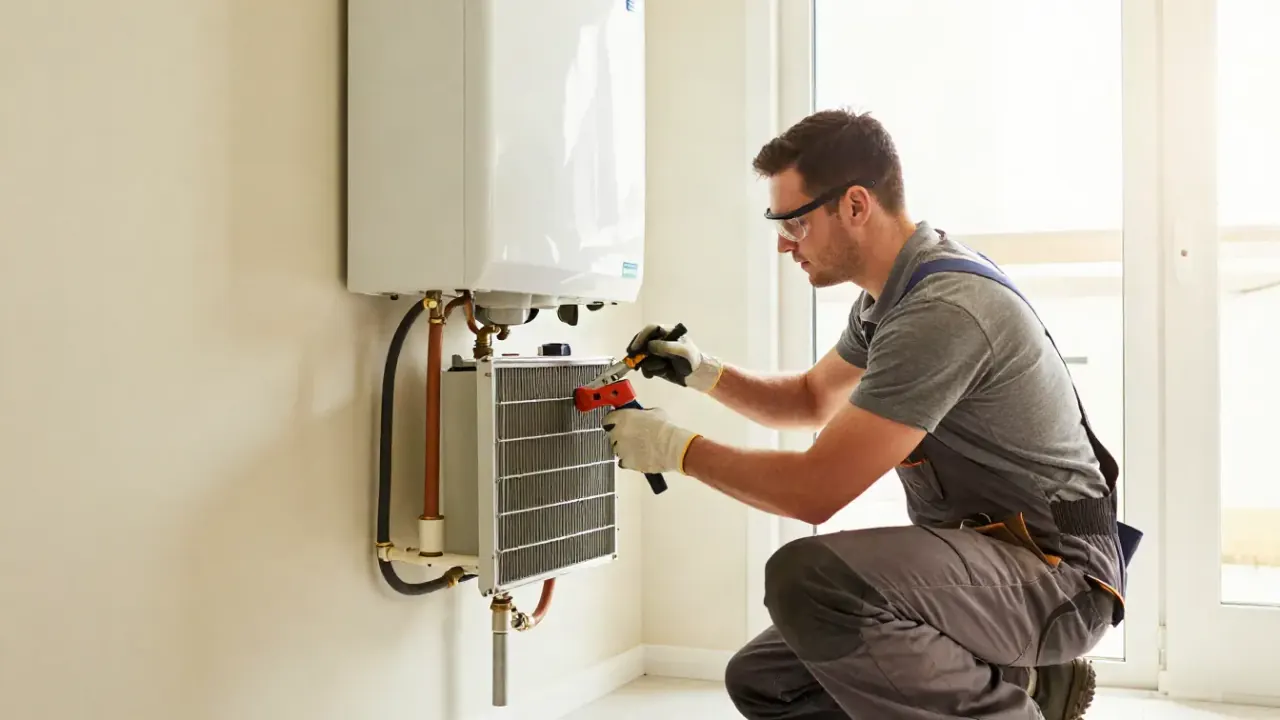
Outside these areas? Call and ask, we may still cover you. (949) 619-8763
Most flushes run $150 to $280, and adding anode rod replacement brings the total to $250 to $450 in 2026. Price depends on tank size, how much sediment has built up, and whether the rod comes out clean or fights you. We quote before we start, and the diagnostic is credited if the tank needs replacement instead.
The anode rod is a sacrificial metal core that corrodes instead of your steel tank. In Aliso Viejo's hard water it typically lasts three to five years before it is spent. Once it is gone, rust attacks the tank lining and you get pinhole leaks. Replacing it during a flush is the single cheapest way to add years to a tank.
Pull it and look every 12 months, and replace it when less than half the original diameter remains or the core wire is exposed. On hard-water tanks here, that usually lands at the three-year mark. If your tank is over six years old and the rod has never been checked, schedule it now before the shell starts rusting.
We do, across Glenwood, Westridge, Wood Canyon, and the rest of Aliso Viejo, plus Laguna Niguel, Laguna Hills, Lake Forest, Mission Viejo, and Laguna Beach. Call (949) 619-8763 and we will schedule a same-day or next-day visit. Bring us a photo of the tank label and we can often quote the job over the phone.
One visit drains the sediment, replaces the anode rod, and tests the whole tank. Call (949) 619-8763 and we will get you on the schedule, often the same day. Straight pricing, no surprises, and a tank that runs like it should.
Give us a call at (949) 619-8763 and tell us what your water heater is doing. We answer Monday through Friday, 8am to 6pm, and after hours for emergencies. Most Aliso Viejo calls get a same-day window, and you will have a flat quote before we start.